
Skip to content
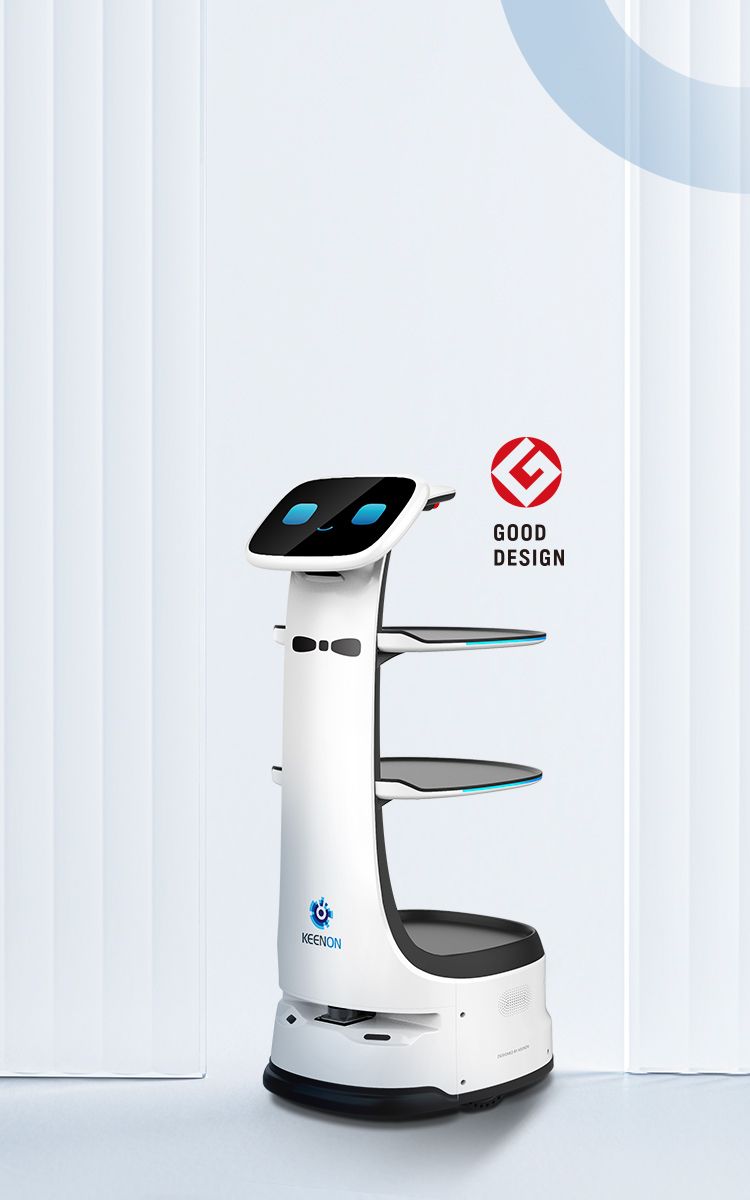
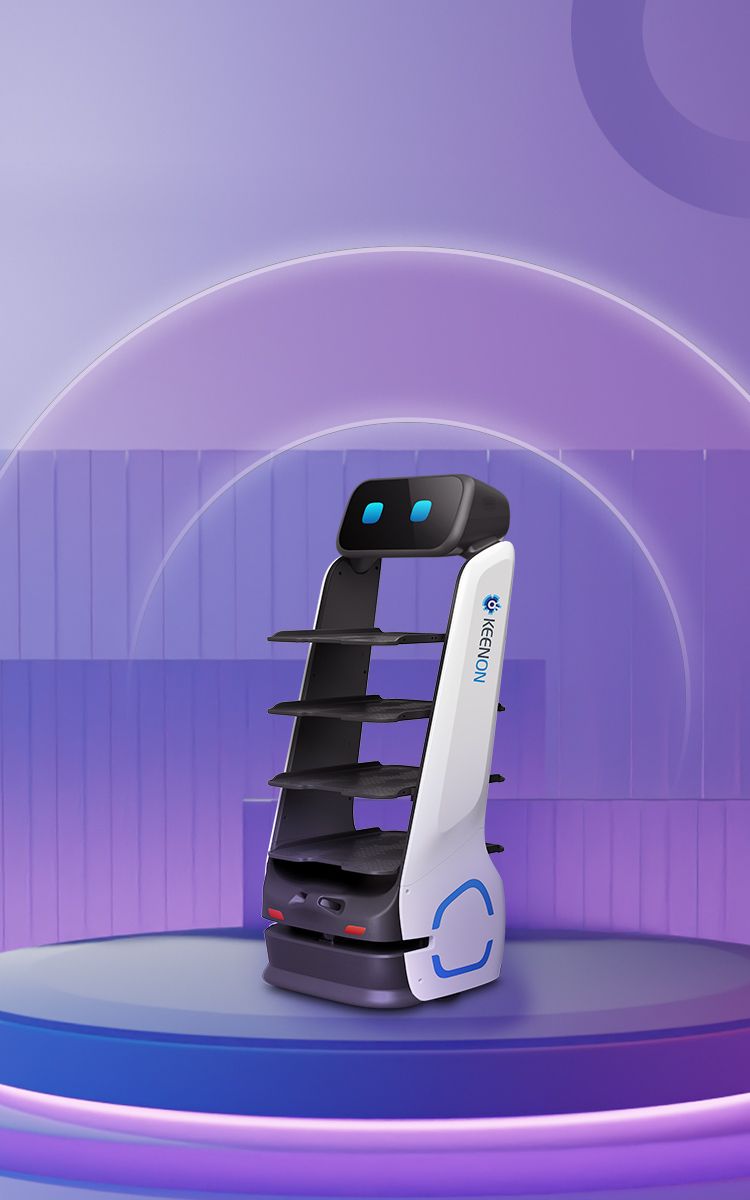
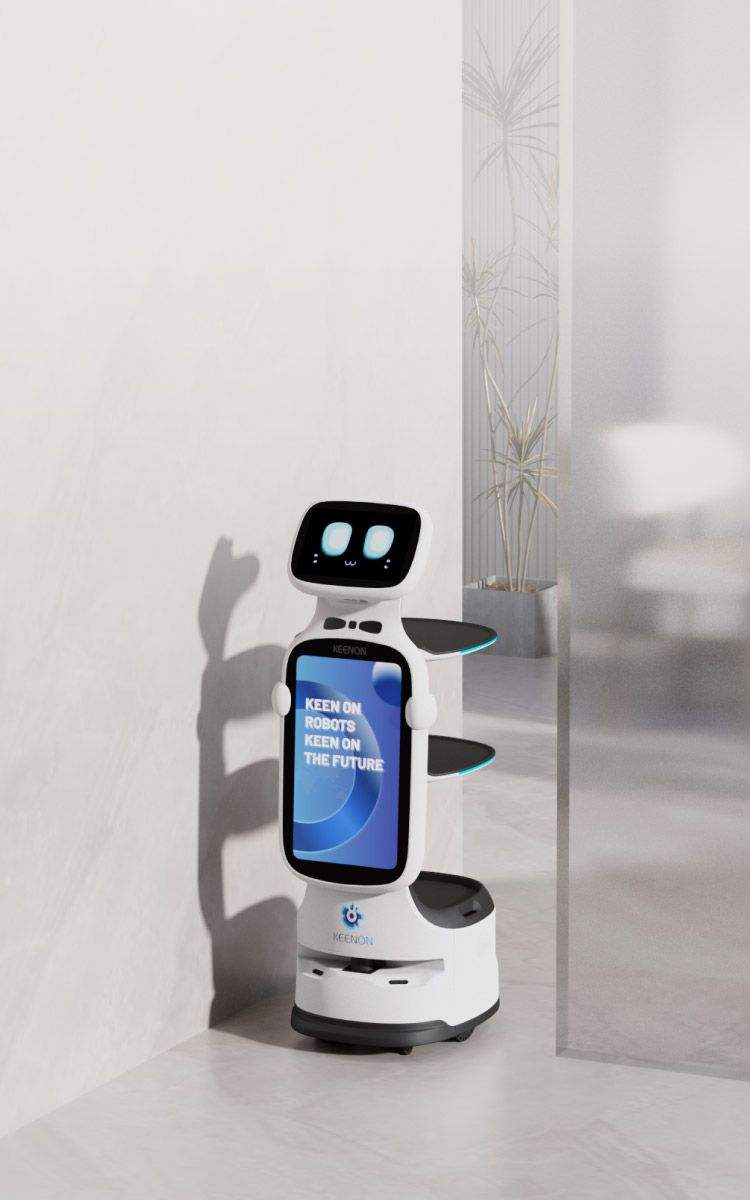
5 modelsServing robotsDINERBOT robot waiters for restaurants and cafés, plus the BUTLERBOT hotel delivery robot.All serving robots →
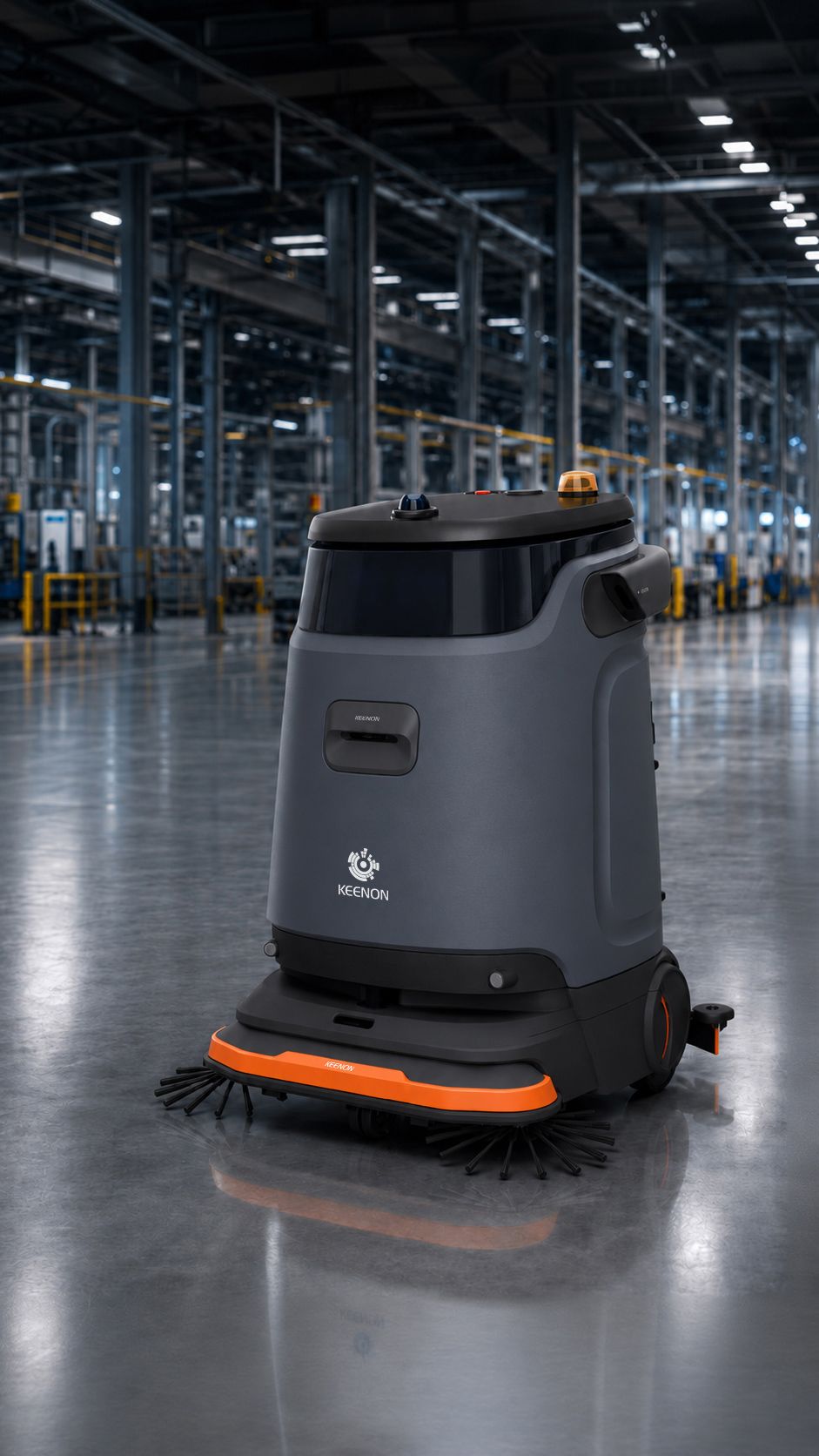
3 modelsCleaning robotsKLEENBOT robot vacuums and autonomous floor scrubbers that clean to a schedule.All cleaning robots →
2 modelsAutonomous mobile robotsHeavy-load robots that move goods around warehouses, factories and hospitals.All AMRs →

Autonomous Mobile Robots for Warehouses, Factories and Large Sites

Our autonomous mobile robots (AMRs) take over the long, repetitive trips that move goods around a site, whether that means stock and parts in a warehouse or factory, or linen and supplies in a hospital. We supply the KEENON S100 and S300, map and commission them on your site, train your team, and support them with UK-based servicing.

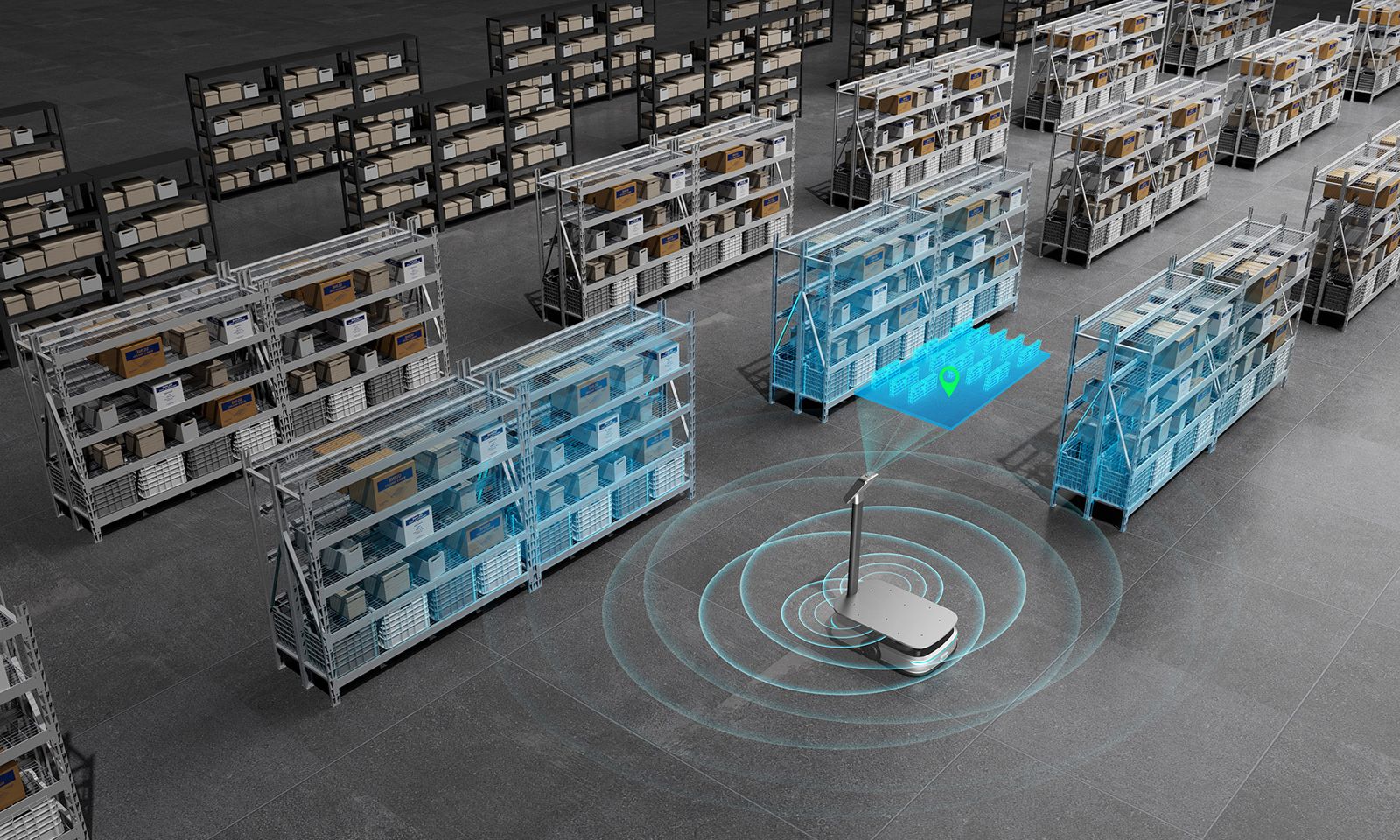
KEENON S300 carrying shelving through a warehouse, mapping its surroundings with LiDAR
On the move · KEENON S300
01 / The basics

What is an autonomous mobile robot?

An autonomous mobile robot moves goods around a building on its own, using LiDAR, cameras and an onboard map to plan routes and steer around people and obstacles. Because an AMR works from a digital map, routes can be adjusted in software, which is why many sites now look at AMR robots before fixed automation when they want to cut down on manual trolley runs.

GOODS-IN
STORAGE
STORAGE
PACKING
PERSON
Route simulation · warehouse floor
  1. 01 Collects at goods-in Staff load the robot, or the S300 slides under a shelf or cart and lifts it.
  2. 02 Replans around people LiDAR, cameras and an onboard map let it plan its own route and steer around people and obstacles.
  3. 03 Drops at packing It delivers to the next point on the route, following the same path each time, with every run logged.
  4. 04 Returns for the next load Then it heads back for the next job, with battery swapping keeping it running across shifts.
02 / Our partner

Authorised KEENON distributor with UK support

Clockwork Robotics is the authorised UK distributor for KEENON Robotics, which introduced its S series delivery robots for hospital and industrial use in 2022. We supply both the S100 and S300, survey and map your site, commission the robots and support them from our repair centres in Manchester, Birmingham and London, so you have a UK team for the whole life of each robot rather than a manufacturer overseas.

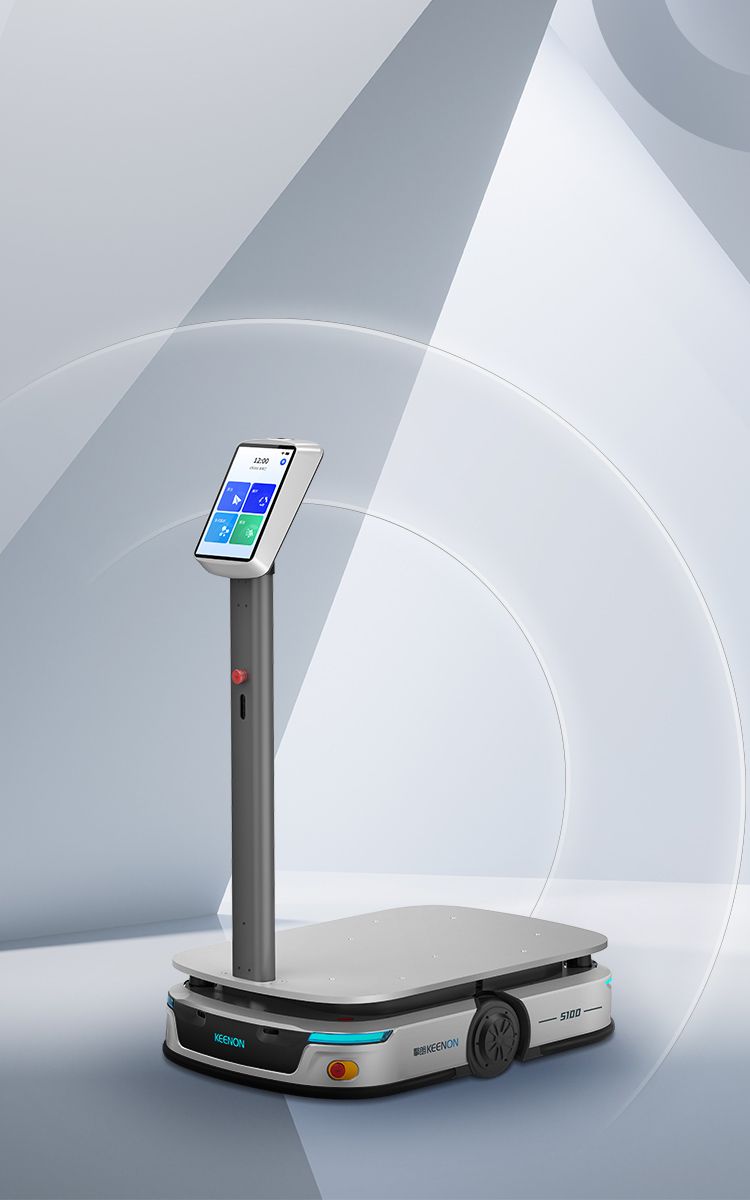
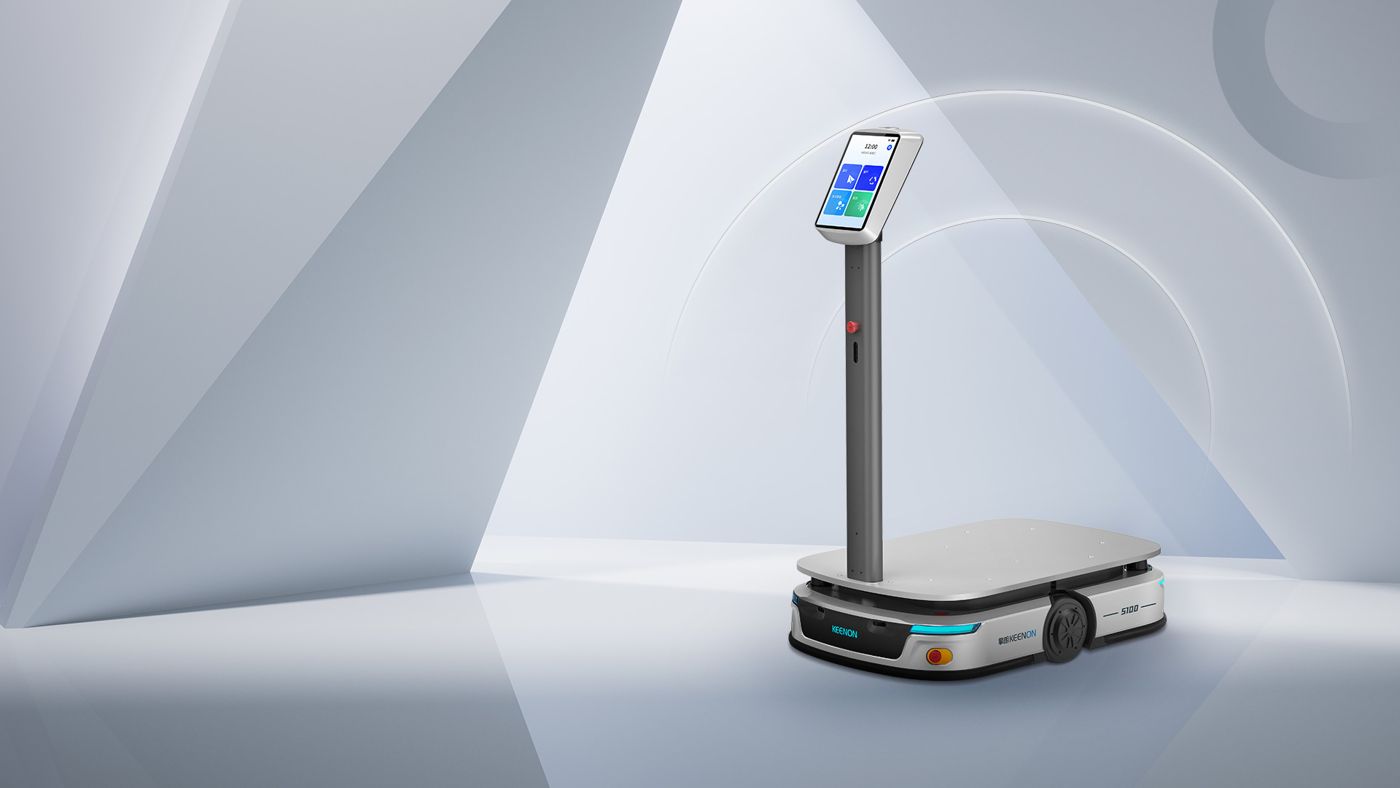
KEENON S100 heavy-load courier robot
KEENON S100
03 / Models

Our warehouse robots and AMRs

KEENON S100 and S300 compared
ModelMax payloadBattery (KEENON figures)ChargingFrom (+ VAT)
KEENON S100100kg+Up to 8 hours (under 100kg)2.5 hours, charging pile, adapter or 15-second battery swap£17,250
KEENON S300300kg, lifts shelves up to 120 x 120cmUp to 6 hours at full load3.5 hours, automatic charging or battery swap£18,750
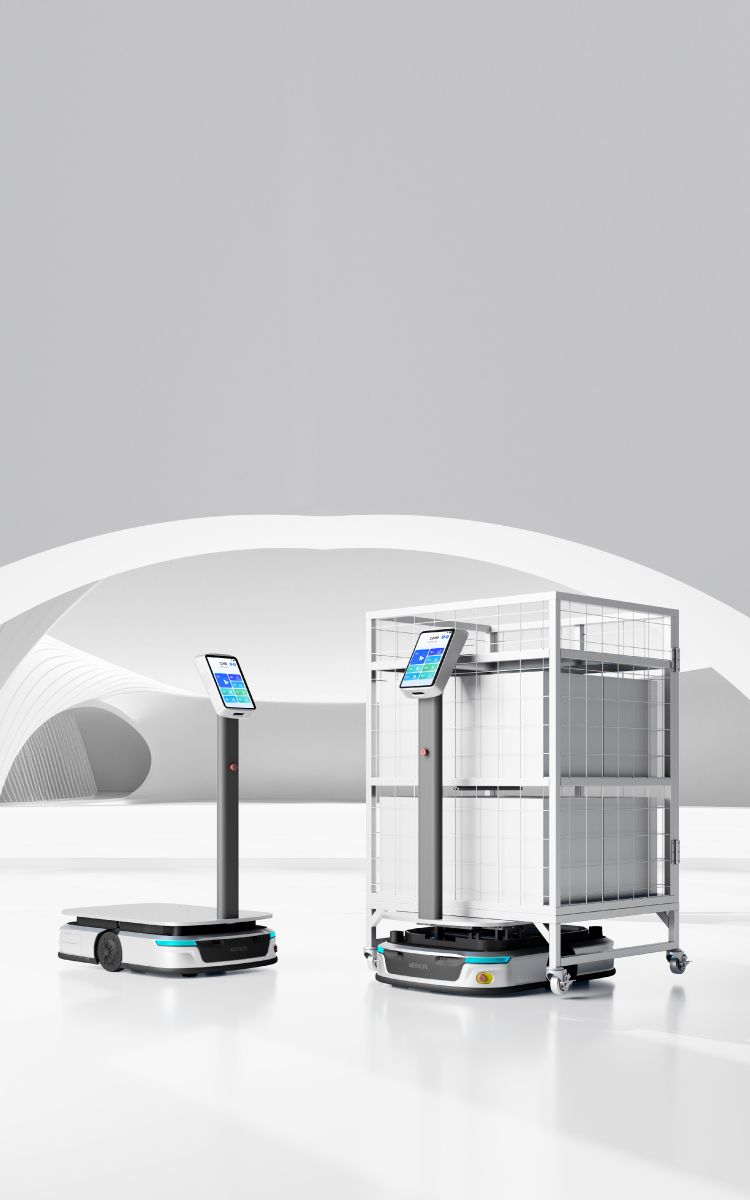
KEENON S100 heavy-load courier robot Logistics

KEENON S100

A heavy-load courier robot built for frequent runs of lighter goods, with KEENON's operating system and app pre-installed for quick deployment.

  • Carries 100kg or more on an 865 x 600mm platform
  • Up to 8 hours at loads under 100kg
  • Charging pile, mains adapter or 15-second battery swap
  • Standard shelf holds four 600 x 400 x 350mm boxes

Best for Regular runs of parts, parcels, tools and linen.

From £17,250+ VAT
View model
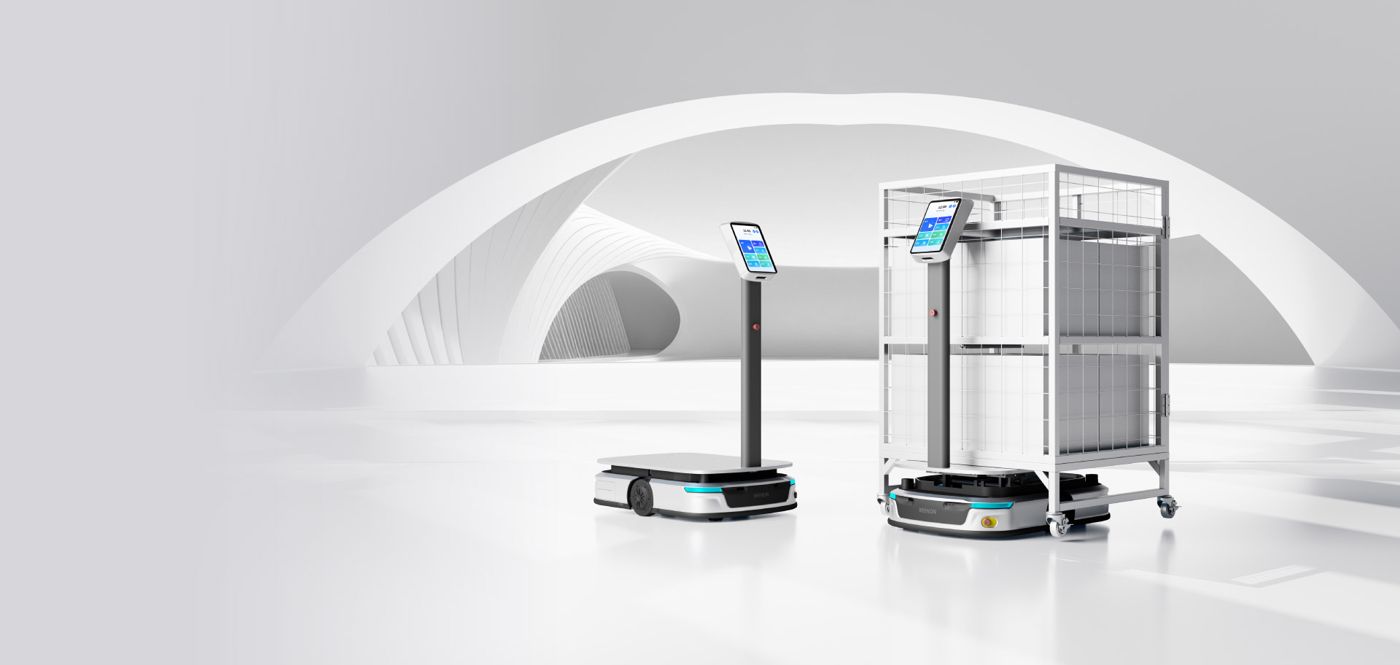
KEENON S300 heavy-load delivery robot Logistics

KEENON S300

A heavy-load intelligent delivery robot whose low 23cm chassis slides under a shelf or cart, lifts it and moves it where it is needed.

  • Carries up to 300kg
  • Lifts shelves and carts up to 120 x 120cm
  • Loop, direct, multi-point and transport delivery modes
  • Up to 6 hours at full load, 3.5-hour fast charge or battery swap
  • Deployment in as little as a day, according to KEENON

Best for Automating existing trolley routes without loading and unloading at each end.

From £18,750+ VAT
View model
04 / Sites

Where autonomous mobile robots work best

Because the S100 and S300 move goods rather than pick them, they fit any site where staff spend a large part of the day pushing trolleys between the same points.

KEENON robot working on a large warehouse floor
  • 01 Warehouses and distribution centres Moving stock between goods-in, storage, packing and dispatch.
  • 02 Factories and manufacturing Carrying parts and work in progress between stores and production lines.
  • 03 Hospitals and care settings Moving linen, consumables and supplies between stores and wards.
  • 04 Supermarkets and retail back-of-house Taking stock from the stockroom to the shop floor.
  • 05 Hotels, venues and large buildings Back-of-house runs of linen, food and drink supplies and equipment.
05 / Why invest

Why sites are investing in automated warehouse robots

Results depend on how your site runs, but the businesses looking at autonomous warehouse robots usually want one or more of these.

Fewer manual trolley runs

Staff spend less of their shift walking the same routes.

Less heavy lifting and pushing

Loads of 100kg to 300kg move without being pushed by hand, which helps with manual handling risks.

Consistent, logged deliveries

Each run follows the same route and can be tracked.

Longer working hours

Battery swapping means the robot can keep running across shifts.

Flexible routes

Layouts can change without re-marking floors or moving fixed equipment.

06 / Compare

AGV vs AMR: which suits your site?

AGV robots work well on fixed, high-volume routes that rarely change, but they depend on markers in the floor. AMRs suit sites where layouts change or where people and robots share the same space, because they navigate from a map and replan around obstacles. If your operation would be better served by an AGV, a conveyor or no automation at all, we'll tell you during the site assessment.

BLOCKED
AGV · FIXED MARKERS
An AGV (automated guided vehicle) follows magnetic tape, wires or floor markers, so changing its route usually means changing the floor.
AMR · DIGITAL MAP
An AMR navigates from a digital map using sensors, so it can replan its route around obstacles and adapt when your layout changes.
07 / Prices

Autonomous mobile robot prices

The KEENON S100 starts from £17,250 + VAT and the S300 from £18,750 + VAT. Installation, mapping, accessories such as call buttons and shelves, and service plans are quoted once we understand your site. To compare the cost with the staff hours a robot could support, try the calculator below.

  • KEENON S100 £17,250 + VAT
  • KEENON S300 £18,750 + VAT
40 hrs/wk
5 hrs/wk120 hrs/wk
£12.50
£10.00£25.00

Indicative only. Uses list prices and excludes VAT, installation, mapping and service plans. It assumes the robot supports the staff hours you enter, which we would test properly against your operation.

8.7 months
Indicative payback

Around 9 months to cover the KEENON S300 list price (ex VAT).

Robot list price
£18,750 + VAT
Staff cost supported / yr
£26,000
Staff cost supported / 3 yrs
£78,000
Test it on your site We'll check the numbers against your real operation during a site assessment.
08 / Deployment

Deployment, training and UK support

We survey your site, map it, set up pick-up and drop-off points and commission each robot, then train your team to load, charge and look after it. Ongoing servicing, parts and repairs come from our repair centres in Manchester, Birmingham and London.

Robot servicing and repairs
  1. Site survey and mapping
  2. Pick-up and drop-off points set up
  3. Each robot commissioned
  4. Team trained, then UK servicing
09 / FAQ

Autonomous mobile robot FAQs

Book a site assessment

An AGV follows fixed markers such as magnetic tape or QR codes, while an AMR navigates from a digital map using sensors, so it can replan its route around obstacles and adapt when your layout changes.

KEENON rates the S100 at 100kg or more and the S300 at up to 300kg.

KEENON says the S300 needs no magnetic tape or QR codes, as it navigates using visual and LiDAR mapping. We'll confirm what your site needs during the assessment.

KEENON quotes up to 8 hours for the S100 at loads under 100kg, and up to 6 hours for the S300 at full load. Both support battery swapping for longer shifts.

No. The S100 and S300 transport goods between points, so your team still picks and loads them. They are designed to remove the walking and pushing in between.

Both robots use a combination of 3D vision, dual LiDAR and visual navigation to detect people and obstacles, and have three emergency stops.

Yes. We supply, install and service KEENON warehouse robots nationwide, with repair centres in Manchester, Birmingham and London.

Yes. KEENON's standard S100 shelf holds four standard material boxes of 600 x 400 x 350mm, and the shelving can be customised to suit your loads.

Often, yes. The S300 slides under shelves or carts of up to 120 x 120cm and lifts them, provided there is enough clearance above its 23cm chassis. We'll check your trolleys during the assessment.

It depends on the number of routes, the distances involved, load sizes and how often goods move. We work this out during the site assessment before recommending a fleet size.

Clockwork Robotics is the authorised UK distributor for KEENON Robotics, including the S100 and S300.